


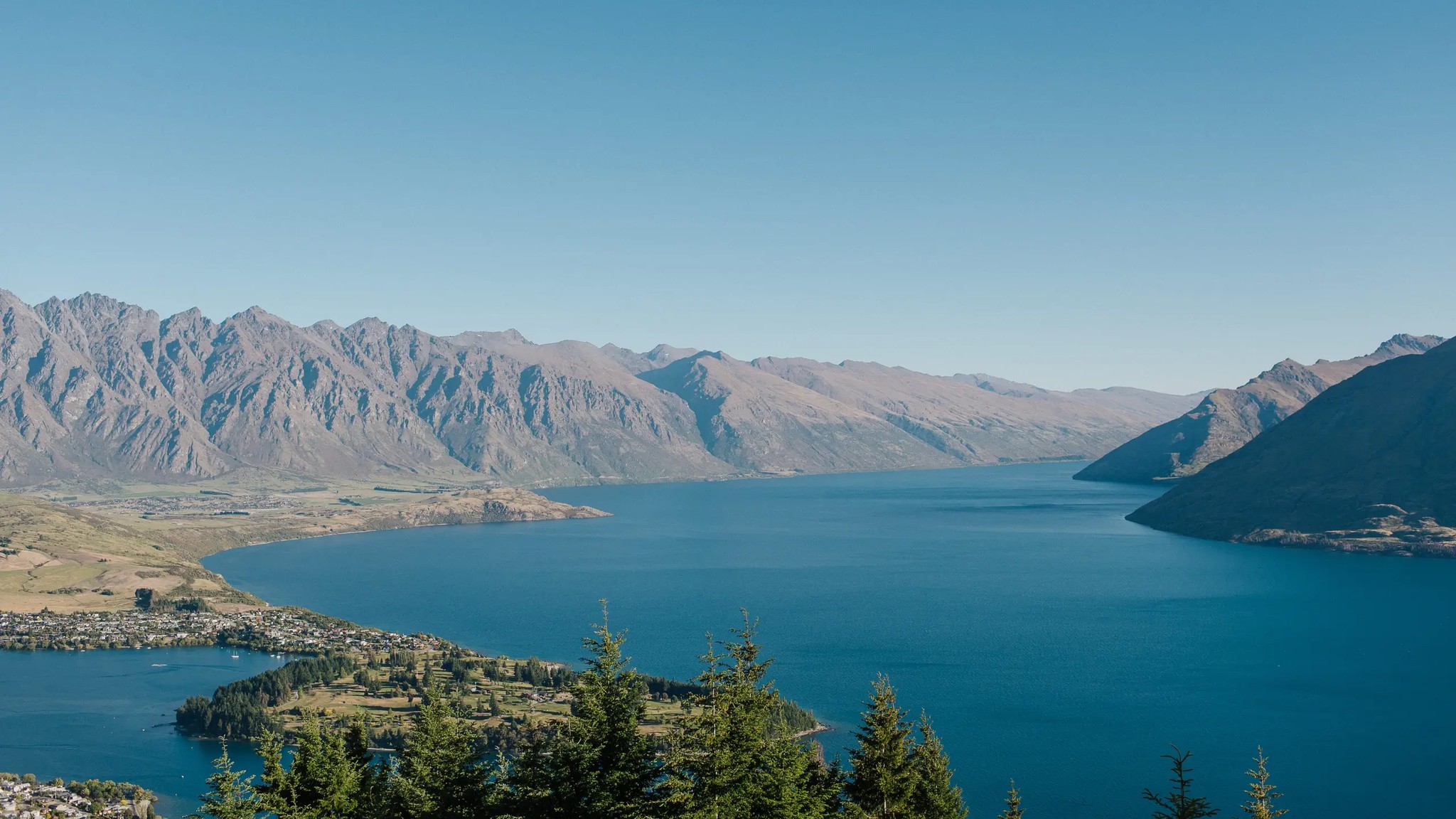
High above Queenstown, Bob’s Peak has long been one of our region’s most iconic viewpoints. Visitors arrive daily for panoramic vistas, the thrill of the Luge, and a meal with a view. But behind the beauty lies a quiet battle. Invasive trees and animals have been reshaping the hillsides for decades, threatening the plants and wildlife that make this landscape so special.
The Challenge: Invasive Species
Bob’s Peak faces a double threat: wilding pines and invasive predators – both dramatically changing the landscape and putting native biodiversity at risk.
Wilding pines (also called wilding conifers) are aggressive, fast-spreading trees that outcompete native plants and change soil chemistry. Their dense canopies block sunlight, while fallen needles create acidic “dead zones” on the forest floor. They can also dramatically increase wildfire risk, especially in the dry summer season. Left unchecked, wilding pines can quickly dominate the landscape, pushing out native flora and drastically altering the hillsides that make Bob’s Peak so special.
But it’s not just trees that threaten the ecosystem. Invasive animals such as possums, rats, stoats, and hedgehogs are equally destructive. With no natural predators in New Zealand, their populations grow unchecked, feeding on native birds, insects, and plants. The result? Habitat loss, disrupted ecosystems and a vicious cycle where native species struggle to survive.
Bob’s Peak Restoration Project
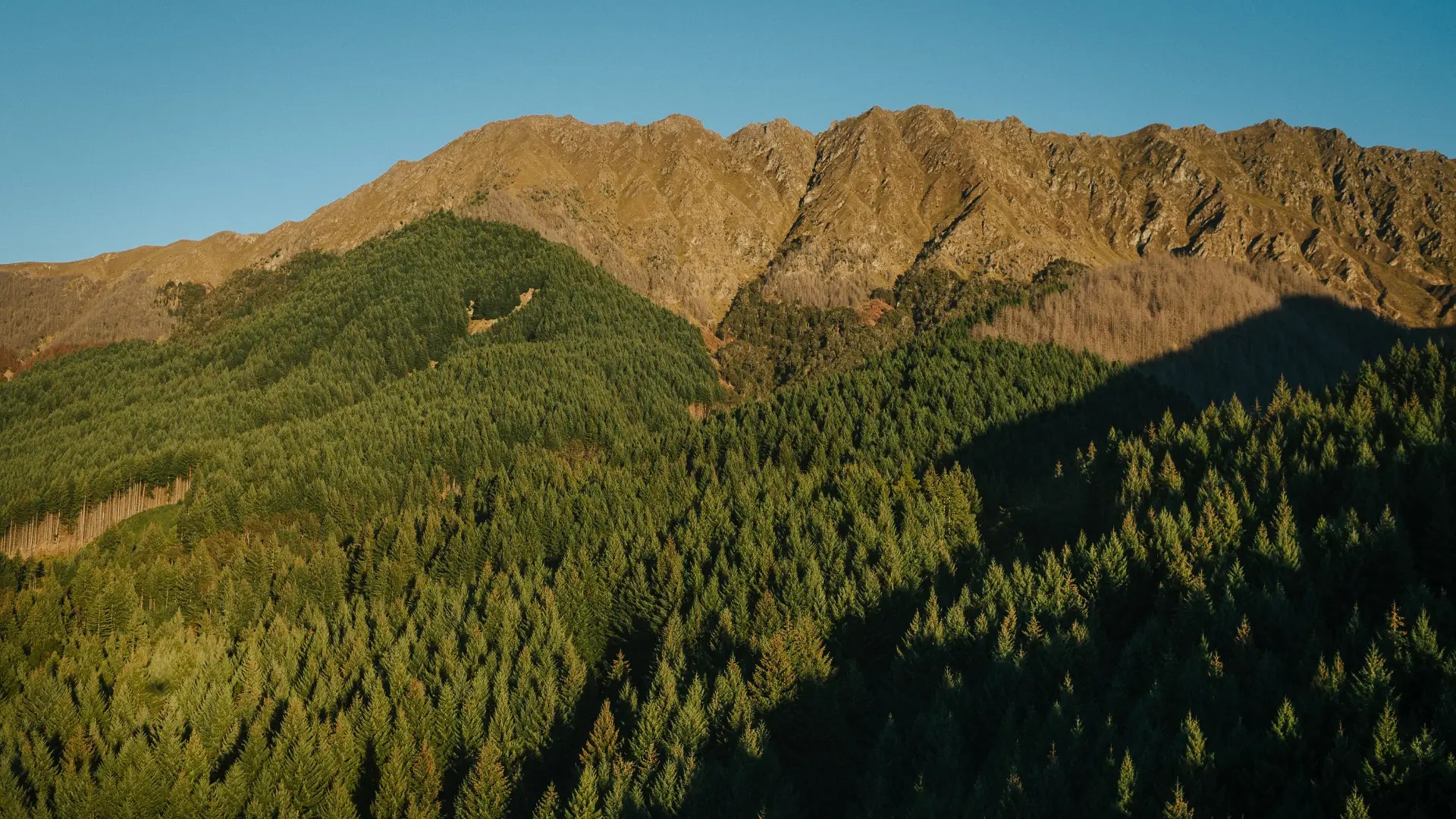
Since 2020, Skyline Queenstown has stepped up our efforts to restore Bob’s Peak to a place where native plants and wildlife can thrive. Approximately 21 acres of wilding pines have been removed on the lower slopes of Bob’s Peak, creating a canvas for future native regeneration. This has been no small undertaking, with around 20,500 hours of tree felling completed across challenging, steep terrain.
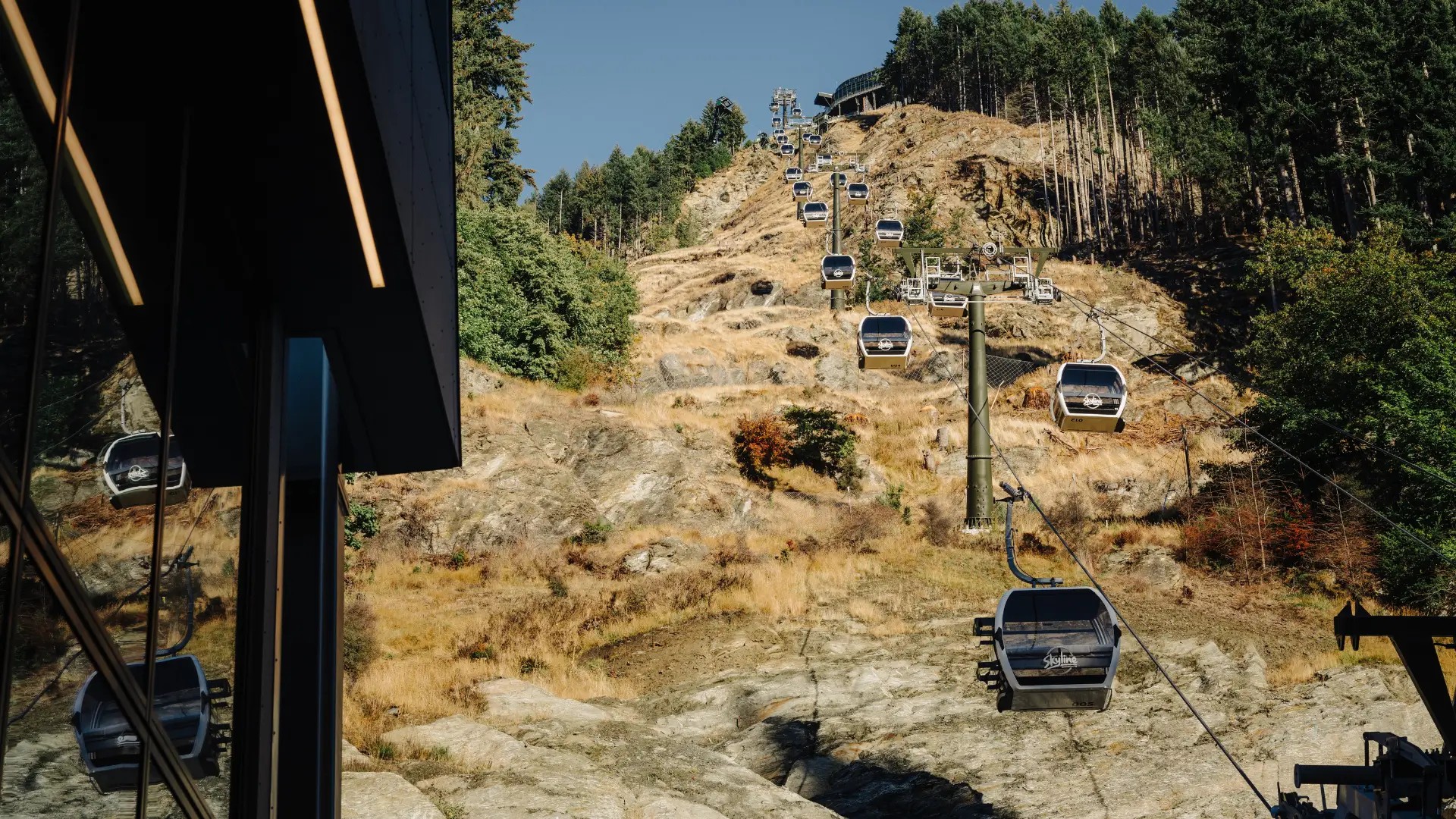
To support wildlife recovery on Bob’s Peak, we’ve also installed 13 predator traps and 8 monitoring stations, which have controlled 640 pests since 2019. More recently, there’s signs of native species such as moths, wētā, and lizards returning – proof that our efforts are making a difference!
“Bob’s Peak plays an important role in Queenstown’s identity,” says Wayne Rose, General Manager of Skyline Queenstown. “Our ongoing restoration programme reflects a long-term commitment to safeguarding our environment for future generations.”
What’s next?
With the pines cleared and predator traps helping to reduce invasive wildlife, our focus shifts to regenerating the hillside. Next, our team will be taking the next steps in a phased approach:
- Installing an additional 7 predator traps to extend coverage
- Fencing to protect the lower slope area of Bob’s Peak
- Managed grazing with sheep to prepare the soil for planting
- Planting pockets of native plants to reintroduce biodiversity
Every step we take lays the foundation for a healthier, more resilient ecosystem. From careful monitoring of wildlife returning to the slopes, to seeing new native plants take root, now it will be all about turning cleared hillsides into thriving habitats.
Wilding Pine Volunteer Days
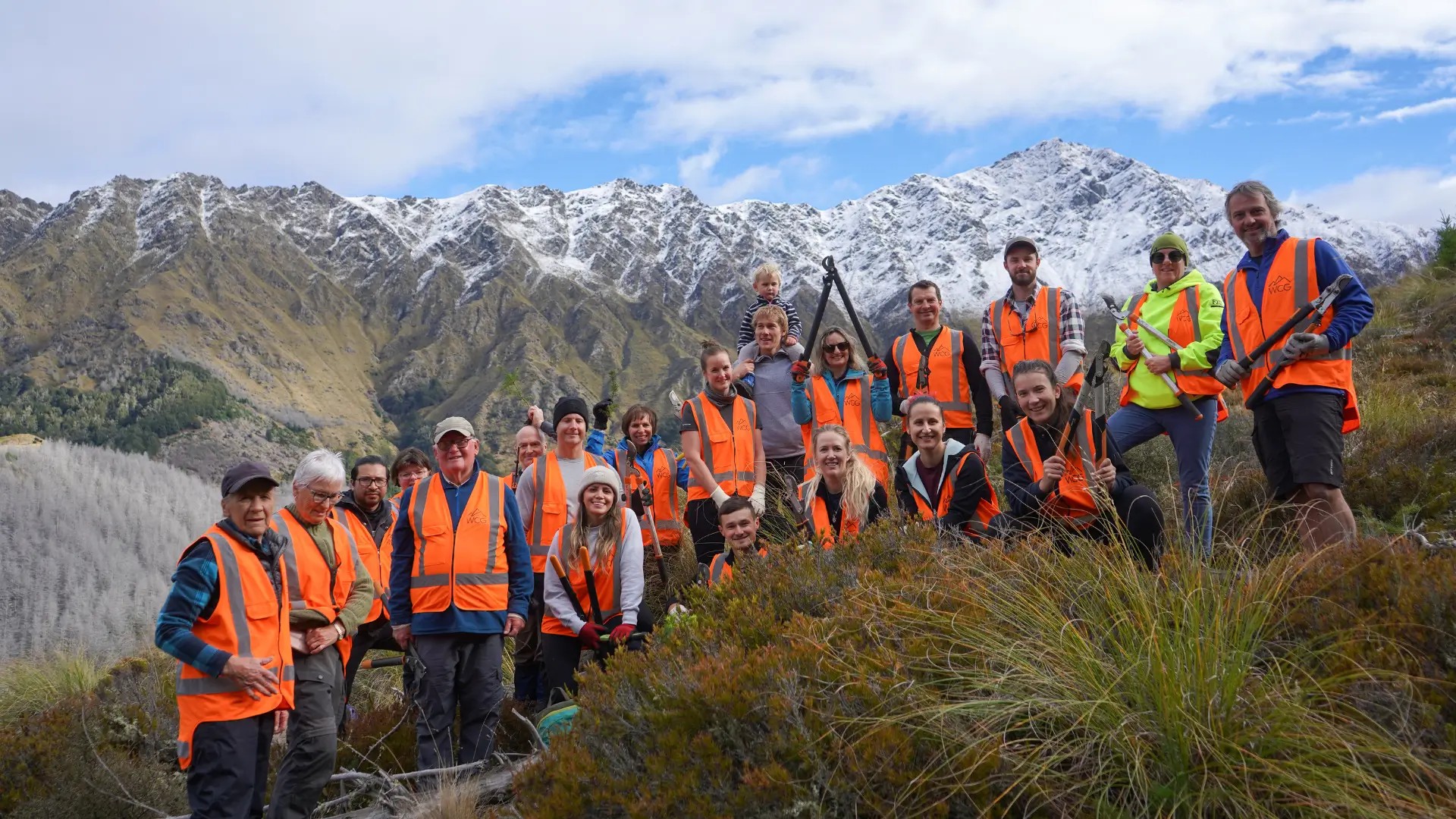
Our conservation work extends beyond Bob’s Peak to the Ben Lomond Reserve, where we host a series of volunteer days each year in partnership with the Whakatipu Wilding Conifer Control Group. This community-led organisation tackles wilding pines across Queenstown and the wider Wakatipu Basin, bringing expertise and education to every volunteer day.
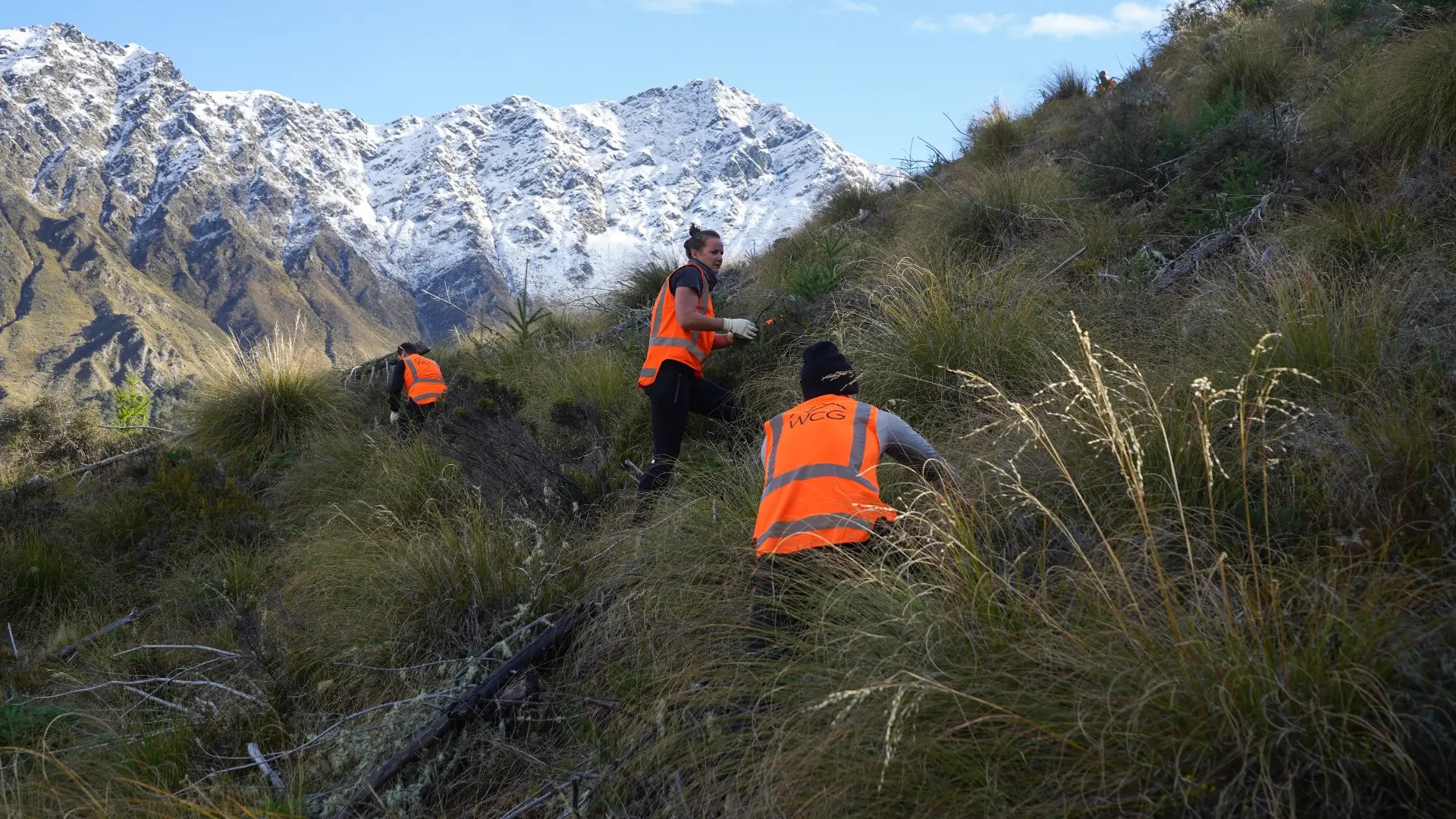
Skyline has supported the Wilding Control Group since 2009 with annual donations, and together we host volunteer days that are as much about the experience as the work:
- 20–30 volunteers start the day with a Gondola ride up to Bob’s Peak
- A short hike brings them to the selected work area
- Then it’s gloves on – pulling wilding pines!
In 2025 alone, volunteers contributed over 480 hours to helping restore our alpine ecosystem. The group heads to Skyline Café and Bar for a well-earned break after the work is done, and each volunteer is given a Gondola Annual Pass to return to Bob’s Peak whenever they like. Stay connected on our socials to join our next volunteer day!
Be Part of the Change!
Every tree removed, every trap set, and every native plant planted is a step toward a balanced ecosystem. Over the next few months, as we expand our efforts and watch the hillside come back to life, the story of Bob’s Peak will continue to unfold. And you can be part of it!
Join us on a Wilding Pine Volunteer Day, follow along on social media, or simply take a moment to appreciate the regenerating natives next time you visit. Every action counts, and together, we’re helping ensure that Bob’s Peak becomes a place where native wildlife can flourish and visitors can enjoy the spectacular beauty of Queenstown for generations to come.
Frequently Asked Questions:
Why is Bob’s Peak being restored?
Invasive wilding pines and predators have been reshaping the local landscape for decades, pushing native plants and wildlife out. Restoration helps protect biodiversity, reduce wildfire risk, and create a thriving ecosystem where native species come back.
What are wilding pines and why are they a problem?
Wilding pines are fast-growing, aggressive trees that spread quickly and outcompete native plants. Their dense canopies block sunlight, their needles make the soil more acidic, and they increase wildfire risk. Removing them is essential to allow native vegetation to grow and restore natural habitats.
How does predator control help the ecosystem?
Invasive animals like possums, rats, stoats, and hedgehogs eat native birds, insects, and plants. Predator traps help reduce these populations, giving native wildlife a chance to recover and thrive.
Can anyone get involved in a Wilding Pine Volunteer Day?
Yes! Skyline Queenstown runs Wilding Pine Volunteer Days in partnership with the Wilding Control Group a few times a year. Keep an eye on our social platforms for when we’re hosting our next one! Usually in Spring and Autumn.
What’s next in the Bob’s Peak restoration project?
The next phase focuses on regenerating the hillside. This includes installing more predator traps, fencing to protect sensitive areas, managed grazing with sheep, and planting native species.
Related Stories